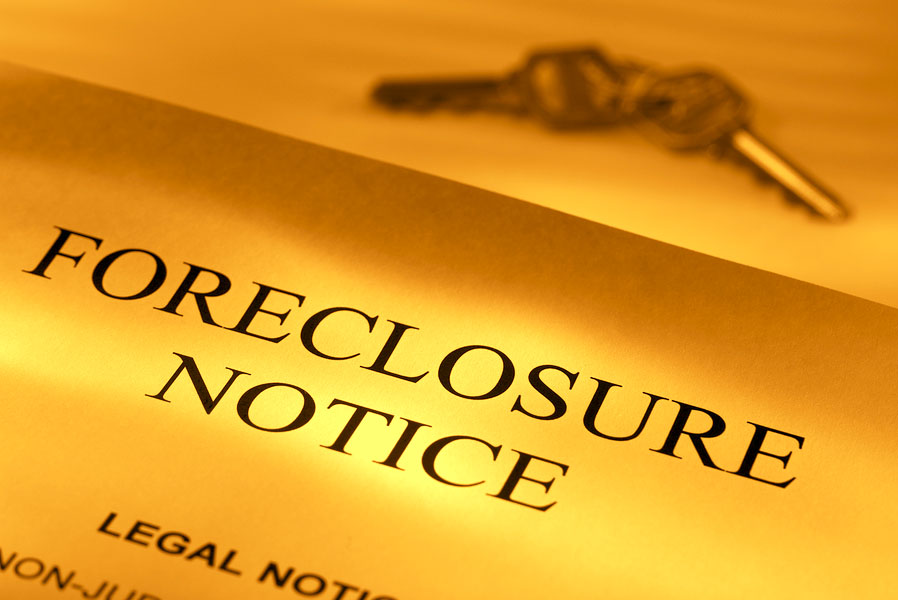
Foreclosure is something that no homeowner wants to face. It
can mean the loss of your dream home, any equity in your home, your credit
rating and most importantly, your dignity. Foreclosure is a very public
process, with your name listed in the public court records and then published
in your local newspaper. Even when you have put everything behind you and ready
to move on with our life, the incident follows you like a shadow. It appears on
your credit report for at least 7-10 years. In addition, all mortgage
applications will ask about it.
Once real estate is lost to foreclosure, the owner’s credit
score can drop by as much as 250-280 points. The credit score can be restored
only after strenuous on-time payments done regularly over a period of three
years or more. If the foreclosure is an isolated event, you may be able to restore
your records in 24 months if your credit record is otherwise sound. But this usually
does not happen as foreclosure comes with escalating rates that only push the
individual deeper into debt.
If you have experienced a temporary setback, you may have
several options available to you to stop
foreclosure of your real estate.
Here are several proven strategies to avoid a foreclosure:
Don’t Panic. Face the Situation Squarely, Calmly
The prospect of being unable to make their mortgage payment
paralyzes many with fear and anxiety. They start avoiding phone calls and defer
paying the bills. The best way to start repairing the situation is to stop
panicking and act fast. Gather your bill
statements and most importantly, call your lender to explain your situation.
Talk to Your Lender to Work out a Plan
Avoiding your lender is the last thing you should do. Contact your lender as soon as you realize that you have a problem.
Remember, lenders do not want your house. Their business is structured to deal
with such situations and that’s why they will have many options to help you through tough financial times.
Responding to all mail from your lender will send a clear signal to them
that you are serious about resolving the issue.
Mortgage Restructuring
Mortgage modification is a practical option available to
stop foreclosure. If you have experienced a permanent reduction in income and
cannot afford a repayment plan, the terms of the loan may be adjusted to match
your current income levels. The interest rate is lowered or the term is
extended so that monthly payments become affordable.
Forbearance Agreement
Forbearance agreement is normally used if you have
experienced tough financial times that’s now firmly behind you and you can
resume making regular payments. It is a popular option when you can’t pay all
of your past due mortgage payments at once.
Under the agreement, the lender agrees to move your pending payments to
the back of the loan. This helps you stop foreclosure and also gives you a long
breather to get things back on track.
Working out a New Repayment Plan
Modifying the repayment plan is one of the most preferred
methods of lenders. Here the lender
agrees to let you draw level with the back payments by adding a portion of the
pending amount to each current monthly payment until the account is back to
normal again.
Refinancing Your Mortgage
Mortgage refinance is a way out if you have suffered a
setback financially and unable to make regular mortgage payments. You can
refinance your loan with your existing lender or a new lender but you must
furnish proof of good credit prior to the setback, and also establish that you
can now support the new mortgage payment. This is usually not a sound option
unless you agree to very high interest rates. But it can save you from
foreclosure and help you bounce back when earnings improve and your finances
are back on track.
Filing for Bankruptcy
Filing for bankruptcy will temporarily stop the foreclosure
case. You are allowed to file any time before the foreclosure auction. However,
this should is usually the last and most painful way of stopping foreclosure. The
move will not permanently end the foreclosure but it can buy you months or
years without losing your property. This method however has a high risk of
failure. This is because the reorganization arrangement typically requires the
homeowner to make plan payments that are much higher than the original
payments. Given the tough financial situation, that is often an uphill task.
Author Bio: Karrie
Morton is an online marketing associate of HomePropertySearch.net - provides
real estate services. Karrie’s interest range from providing improvement tips
on home and yard. She also loves finding new ideas for home improvement
projects. Connect with Karrie through her social media accounts. Facebook | Twitter | Google+ | Pinterest
